
1.10.2026
You lift a mattress, empty a pillowcase or clear your car and there it is: a small folded paper, you have never seen before. If you have found a taweez in your house, it is natural to feel shaken. Who put it there? What does it say? Is it meant to protect you, or to harm you?
Some taweez are left by family members for protection. But not all of them. In our experience, around half of the taweez UK families send us to read were written to cause harm. That is why a taweez found at home should never be ignored, and never thrown away before you know what it says. This guide walks you through exactly what to do, step by step, based on many years of reading and writing taweez for families across the UK.
Quick answer: If you find a taweez, don’t panic. Don’t burn it, throw it away or cut it open. Take clear photos of both sides, ask your family whether anyone placed it, and find out what is written inside before you decide what to do.
Found one right now? Don’t guess. Send us a clear photo on WhatsApp today and find out what it says.
In British Muslim families, especially those with roots in Pakistan, Kashmir, India and Bangladesh, a taweez has long been a way of asking Allah for protection. Mothers and grandmothers often place one quietly under a child’s pillow, in a baby’s cot, in a car or above a doorway. Many never mention it, because to them it is simply part of looking after the family.
There can be other innocent explanations too. Houses in the UK change hands often, and many people rent. A taweez found behind a skirting board, in a loft or buried in the garden may have been left by a previous owner or tenant years ago. It may also have come in second-hand furniture, or been a gift that someone tucked away and forgot.
But a taweez can also be placed deliberately to cause harm: to break up a marriage, block a rishta, damage a business or turn family members against each other. From the outside, a harmful taweez and a protective one can look exactly the same. The only way to know which one you have is to read what is written inside it.
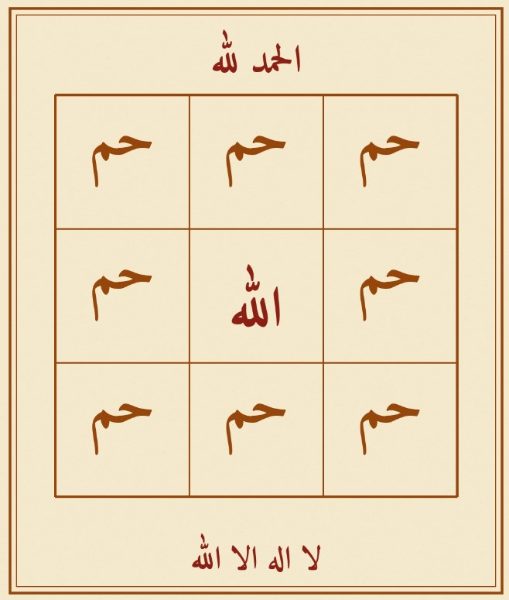
Where a taweez is found can give you a clue about why it was placed there. It is only a clue, not proof, but it helps you ask the right questions.
This is the most common place. A taweez under a pillow is traditionally meant to protect the person while they sleep, restore intimacy, help with bad dreams or bring calm. Parents often place one under a child’s mattress. Ask the older members of your family first.
A taweez sewn into a coat lining, pinned inside a school bag or tucked into a baby’s clothes is almost always protective, usually against nazar (the evil eye). It is a very old habit, especially with newborns.
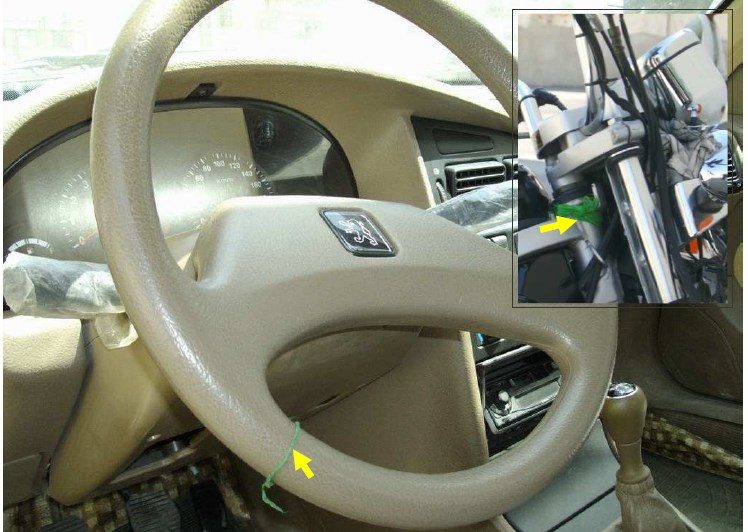
A taweez in the glovebox, under a seat or hanging from the mirror is usually for safe travel. If you bought the car second-hand, it may belong to the previous owner.
These are often found during renovations or after moving into a new home. A taweez above a door or buried near the entrance is traditionally for protecting the house. If you have just moved in, it may have been left by the people before you.
Many people find a taweez, feel uneasy, and then put it in a drawer and try to forget about it. If it was written to cause harm, that means living with it in your home for weeks or months, and living with the worry too, without ever getting an answer.
Finding out takes very little. A few clear photos are usually enough to tell what the taweez says and what it was written for. If it is protective, you can stop worrying today. If it is harmful, you can deal with it properly and protect your family.
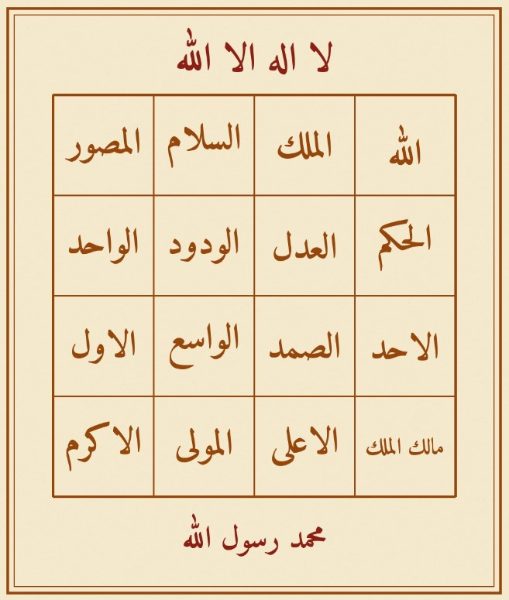
Whatever you have found and wherever you found it, these five steps are safe in every situation. None of them commits you to anything, and all of them help you make a better decision later.
1. Recite and settle yourself. If it gives you peace of mind, make wudu and recite Ayat al-Kursi and the last three surahs (Al-Ikhlas, Al-Falaq and An-Nas). A taweez has no power except by the will of Allah, and remembering that is the best way to calm your heart.
2. Photograph it from every side. Take clear, well-lit photos of the front, the back and any writing you can see without opening it. If it is in a pouch or locket, photograph that too. These photos are all you need to find out what it says.
3. Don’t burn it or throw it away. Many people’s first instinct is to get rid of it immediately. But if the taweez contains verses of the Quran or the names of Allah, it should be treated with respect, not thrown in the bin. And if it is something else, destroying it in a hurry won’t tell you who placed it or why.
4. Don’t cut open anything sealed. Some taweez are wrapped in wax, cloth, tape or plastic, or sealed inside metal. Leave these as they are until you know more. Opening them carelessly can damage the writing and make it impossible to read.
5. Ask your family. Before anything else, ask parents, grandparents, a spouse or anyone who has stayed in your home. Very often the mystery ends here, with someone saying: “Oh, I put that there for the children.”
Put the taweez somewhere clean and out of reach of children while you work out the next step.
The writing inside a taweez tells you far more than where it was found. Most taweez are written in Arabic script, sometimes mixed with Urdu or Persian, and often use numbers and grids rather than full words. Here is what you are likely to see.
Signs of a traditional, Quran-based taweez:
Things that are a reason for concern:
Even for experienced readers, a naqsh or coded taweez can be hard to interpret. Guessing from a quick search online often causes more fear than it removes. We explain the basics in more detail in our guide on how to decode a taweez, and you can see examples of what harmful ones look like in our article on black magic taweez.
Don’t guess what yours says. Send us clear photos on WhatsApp and we’ll tell you, in plain English, what is written and what it was meant for.
The writing is the most reliable guide. But people also ask, quite rightly, whether a found taweez explains things that have been happening in their lives. Sudden arguments at home, a marriage that keeps being delayed, a business that stops growing or a family member who has changed without reason are the kinds of worries we hear most often.
In South Asian communities, these are sometimes described as signs of sifli amal, a term for harmful spiritual work. We cover them in detail in how to know if someone has used a taweez against you: 12 signs.
Please keep two things in mind, though. First, many of these difficulties have ordinary causes, and a taweez found in the same house is not proof that one caused the other. Second, if you or someone in your family has physical symptoms, trouble sleeping, low mood or anxiety, speak to your GP first. Looking after your health is part of your faith, not a rival to it, and spiritual and medical help can go side by side.
A good rule is this: judge the taweez by what is written in it, and judge your problems by their most likely causes. Don’t let one fear feed the other.
Once you know what the taweez says, the right next step usually becomes clear. It depends on which of these three situations you are in.
If it contains Quranic verses, names of Allah or a traditional naqsh, there is nothing to fear. If a family member placed it, you can simply leave it where it is or return it to them. If you would rather not keep it, remove it respectfully: never put writing from the Quran in the bin. A common practice is to dissolve the paper in clean water and pour the water onto soil, such as a plant pot or the garden, where no one will walk on it.
If the taweez contains unknown names, symbols without any Quranic text, or items such as hair or knotted thread, it should be removed and disposed of properly. Scholars and practitioners follow slightly different methods, but they usually involve reciting Ayat al-Kursi and the last surahs, untying any knots and dissolving or breaking up the contents in water. We will cover this step by step in a separate guide. If in doubt, ask us or a scholar you trust before you act.
Finding a taweez often leaves people wanting to feel more secure at home, especially when children are involved. Alongside your daily adhkar, many families in the UK choose to keep a protective taweez of their own, one they know was written with only Quran and dua, by someone they can contact.
If that is what you are looking for, these are the two we are asked about most after someone has found a taweez:
Both are written by hand for you personally, never printed, and delivered free across the UK in discreet packaging. Not sure which one you need? Tell us what you found and what has been happening on WhatsApp, and we’ll give you an honest answer, even if that answer is that you don’t need a taweez at all.
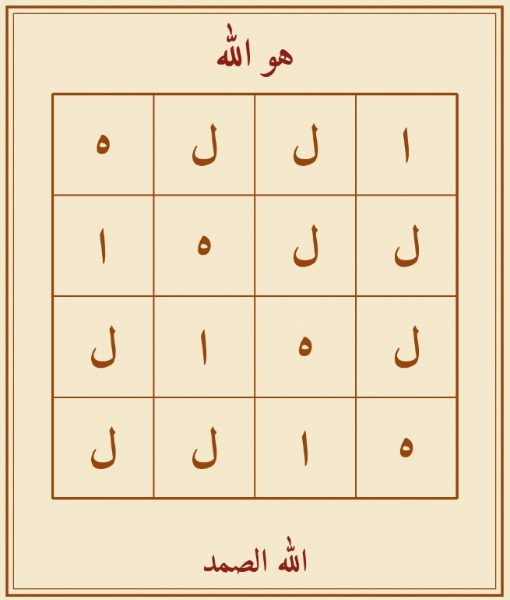
Before taweez.co.uk, our practice was known as furzan.com and taweez.eu, and many of the families who write to us today first came to us there. Our Etsy shop is rated 4.8 out of 5 from 233 reviews. Every taweez is written by hand for one person, we message you when we begin writing it, and you receive a photo before it is sent. Your details are used only to prepare your taweez and are never shared.
Touching or moving a taweez does not harm you by itself. What matters is what is written in it. Handle it calmly, keep it away from children, don’t open anything sealed, and have it read as soon as you can.
Not straight away. If it contains Quranic verses, burning it without care is disrespectful, and burning it in a hurry destroys the only clue to what it was for. Photograph it and find out what it says first.
Muslims believe nothing has any effect except by the will of Allah. A taweez is traditionally a written dua, and whether it is hidden or worn does not change that.
Start with your family and anyone who has lived in or stayed at the house. Very often the answer is a relative or a previous occupant. The writing may also show a name or purpose.
Yes, in most cases. Clear, well-lit photos of both sides are usually enough to tell what is written and what it was meant for. Send them to us on WhatsApp.
Author: Salam Burdu
Salam Burdu is an Islamic scholar and lecturer from Pakistan who is known for his expertise in the field of Islamic spiritual healing and protection.